
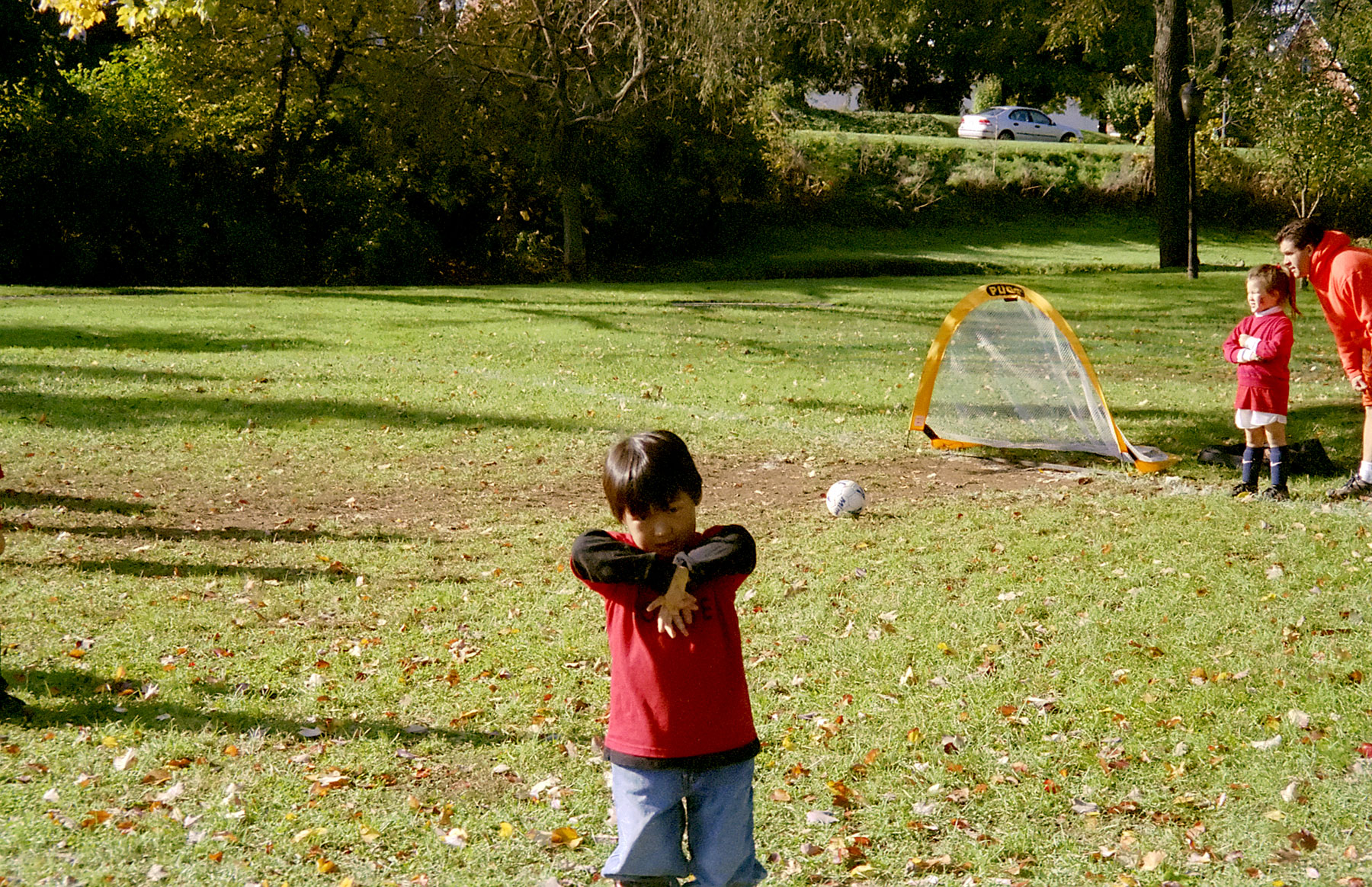
I’ve just started digitizing all my photos, and I thought I’d share the results of my quest for perfection in the transfer process. As always, I spend many hours upfront in the hopes of establishing a process that won’t have me wasting many days down the road. It’s taken a lot of trial and error, but I think I have that process now. If you’re about to start, maybe this will save you some time and agony.
As may be obvious, I’m the family archivist. I love documenting our history, and I particularly love living in an era where memories can be preserved digitally. Why? Printed photos age, discolor, get torn or lost and are hard to copy. Digital versions don’t. An added bonus is that digital collections are much easier to search and share worldwide. Of course, you have to keep regular backups and maintain the proper software, but that’s no hardship.
So I always knew that someday I’d want to convert my thousands of photographs to digital. (I personally have about 20 albums with ~300 photos each; then my parents have another 20, then my grandparents… You get the picture, so to speak.) Minimal research suggested that
- scanning negatives produced far superior results to scanning prints, and
- film scanners (i.e., dedicated to negatives) were far more costly than traditional flatbed scanners.
So I waited. Until 2004, when Epson introduced the Perfection 4870.
The Epson Perfection 4870
I’m a professional graphic designer and webmaster, with no affiliation to any of the products mentioned on these pages. (Except PC Magazine, where I used to be a copy editor.) Here’s what others have to say about the 4870:
- From PC Magazine’s review:The Epson Perfection 4870 Photo scanner … is possibly the best desktop flatbed scanner we’ve tested, rivaling even professional scanners costing thousands. It’s the first Epson with firmware and hardware that incorporates the impressive Digital ICE technology developed by Applied Science Fiction (now part of Kodak) for reducing or eliminating the effects of dust, scratches, tears, and creases in both prints and film automatically.
- photo-i’s 13-page review
Plenty of other reviews are available online. Some downgrade the 4870 for being slow (not an issue for me; I just scan 15 negatives at a time overnight) or producing poor film scans. The latter would be a serious issue, and it’s true that a $5,000 dedicated film scanner will do a better job, but I think the 4870’s film scans are excellent for all but professional photographers needing ultra high-quality scans. I’ll show some film scans in upcoming pages, and you can judge for yourself.
NB: When discussing image quality, it’s imperative to show the pictures at their full resolution; shrinking them to fit a typical web page would destroy the very quality to be analyzed. This means that upcoming pages may have very large images. Viewing over a broadband connection is recommended.
